Joel Pennick, vice president at JE Dunn Construction, the sixth-largest domestic general building contractor in the United States, sat down to talk about JE Dunn’s relationship with the Construction Education Foundation (CEF) and investing in the next generation of builders.
Q: How did JE Dunn initially become involved with CEF?
A: JE Dunn is a longtime member of the Associated General Contractors (AGC) Colorado. Since we established an office in Colorado nearly 30 years ago, JE Dunn has supported the organization’s advocacy and workforce development efforts. When CEF was originally created by AGC, JE Dunn was one of the founding sponsorship members, and we currently maintain our Cornerstone Elite Sponsorship for the program.
Q: Why are you so passionate about exposing youth to the construction industry?
A: My passion stems from my early experience in the construction industry. I worked as a construction laborer the summer after graduating from high school before heading off to Colorado State University to earn my degree in Construction Management. That summer was very impactful as it exposed me to a variety of career opportunities in construction and I gained a deep appreciation for the hard work that was—and still is—inherent with each pathway. Throughout college, I continued to work in construction during summers and breaks. Those experiences were invaluable as I transitioned from the field into management positions.
Having that kind of experience was incredibly helpful as I navigated my own professional aspirations, but I know not everyone has that exposure. Young people are under a lot of pressure to decide what they want to do when they grow up, which can be difficult when they aren’t aware of all their options. Many youths might feel pressured to go to college, even if they aren’t interested or ready for continuing education, while others might follow in their parents’ footsteps simply because those industries are most familiar to them. Exposing youth to construction and educating them on their options within the industry is important because there’s a huge demand for skilled professionals. It’s a rewarding career with a sustainable wage, and there’s tremendous opportunity for growth, development, and advancement.
Q: Does exposing students to the construction industry in high school really make a difference?
A: Absolutely. We’ve seen that only about 25% of high school students who are exposed to construction careers in high school end up pursuing the opportunities after high school. That percentage increases after graduation—some students may pursue other opportunities after high school, but the exposure they received during high school ultimately bring them back to the industry years later.
Q: How has vocational education in Colorado changed in the last few years?
A: Thanks to CEF’s efforts, the K-12 system now has the necessary infrastructure, programming, and funding to support Career and Technical Education (CTE) and training. High school counselors have become more knowledgeable about construction careers and are better equipped to inform students of what those pathways look like.
The construction industry offers highly skilled, well-paying, and often debt-free career paths, with clear opportunities for advancement, leadership, and specialization.
Together, K-12 and the construction industry have created the perfect storm: programming is in schools, the industry is able to connect with students, and students have direct visibility to career opportunities within construction.
Q: What is the pathway for a high school student into a full-time construction career upon graduation?
A: After graduating high school, students interested in construction can enter the industry through a variety of apprenticeship programs. These programs provide training based on a selected trade and are typically provided by an employer while the employee earns wages through their full-time employment.
In Colorado, JE Dunn partners with carpenters, laborers, and operators’ unions to provide this training and full-time positions on our projects. Starting with an apprenticeship can open the door to many career opportunities and advancement pathways in the construction industry.
The alternative path is to obtain a post-secondary degree in construction management or similar construction-related program. JE Dunn offers summer internship programs for college students as early as freshman year. Additionally, the industry is increasingly becoming more accepting of construction management associate’s degrees and certifications obtained from trade experience versus exclusively selecting students who have or are pursuing a bachelor’s degree.
Q: How can other industry leaders help expose students to careers in construction?
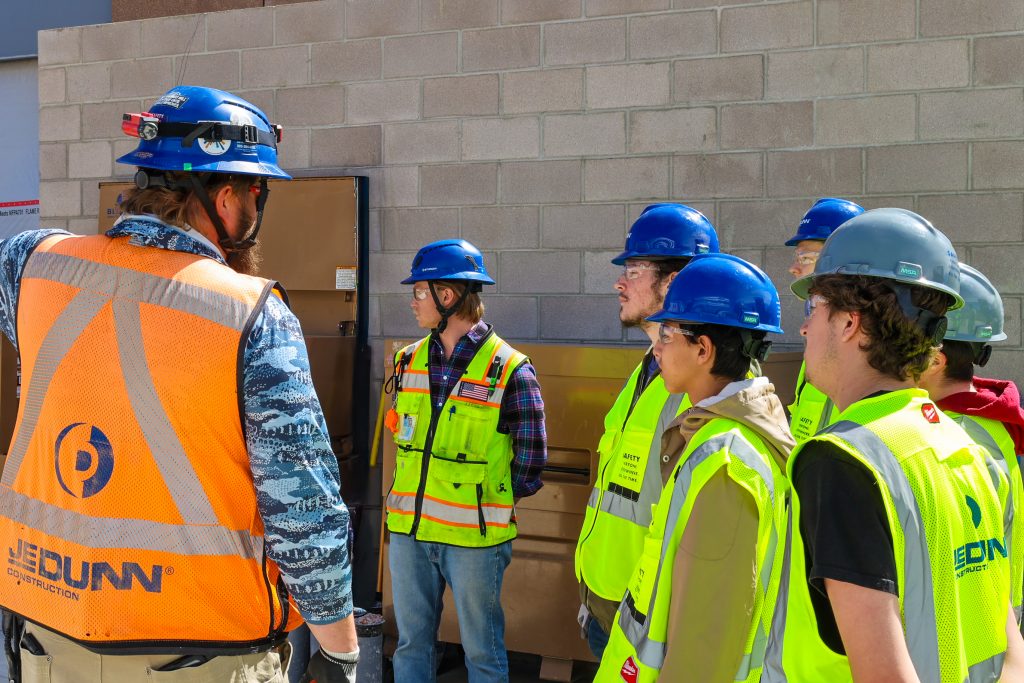
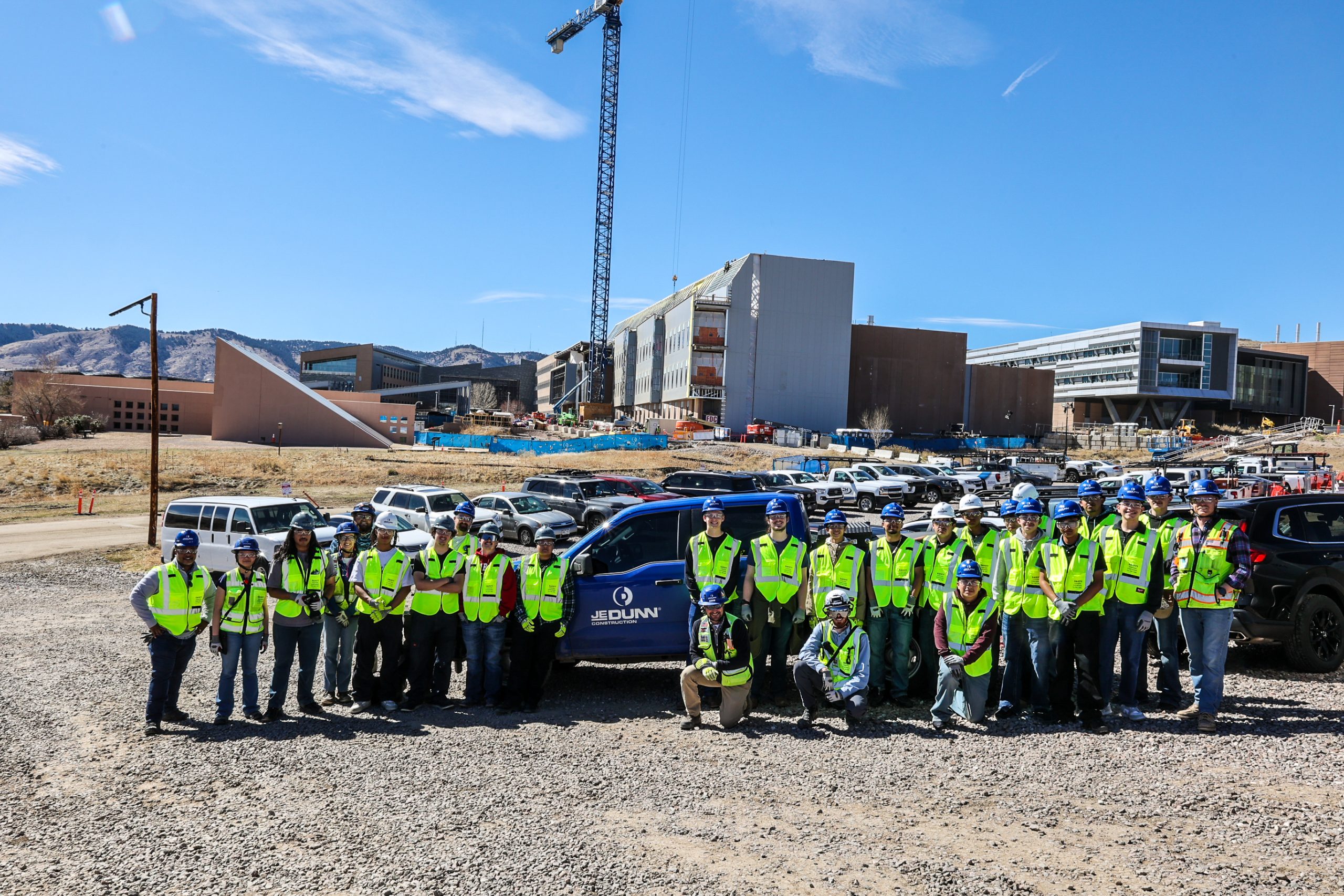
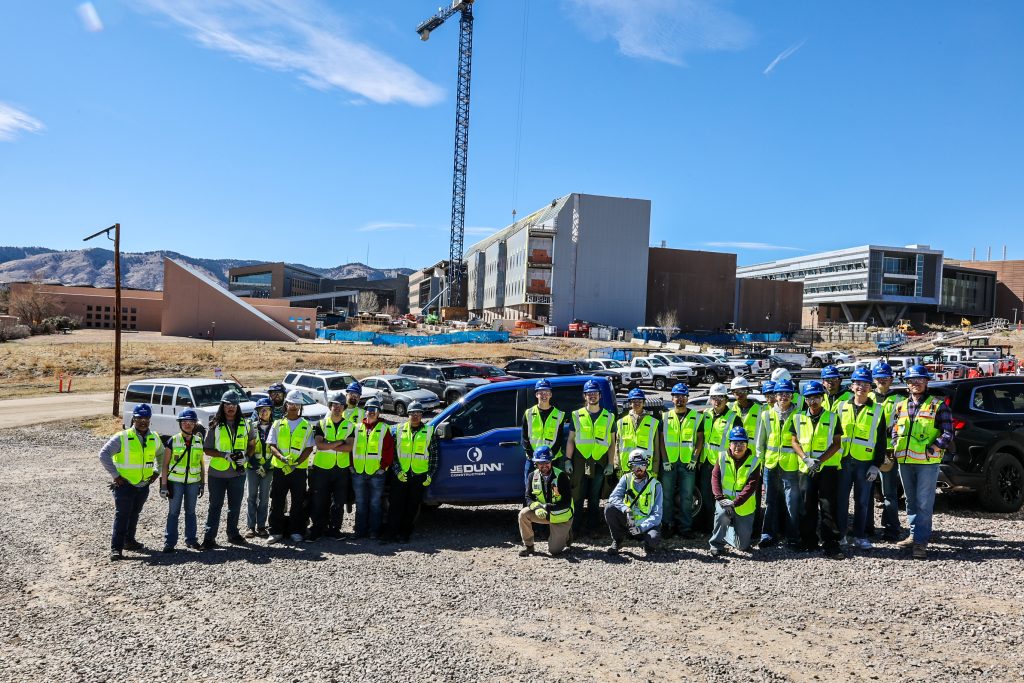
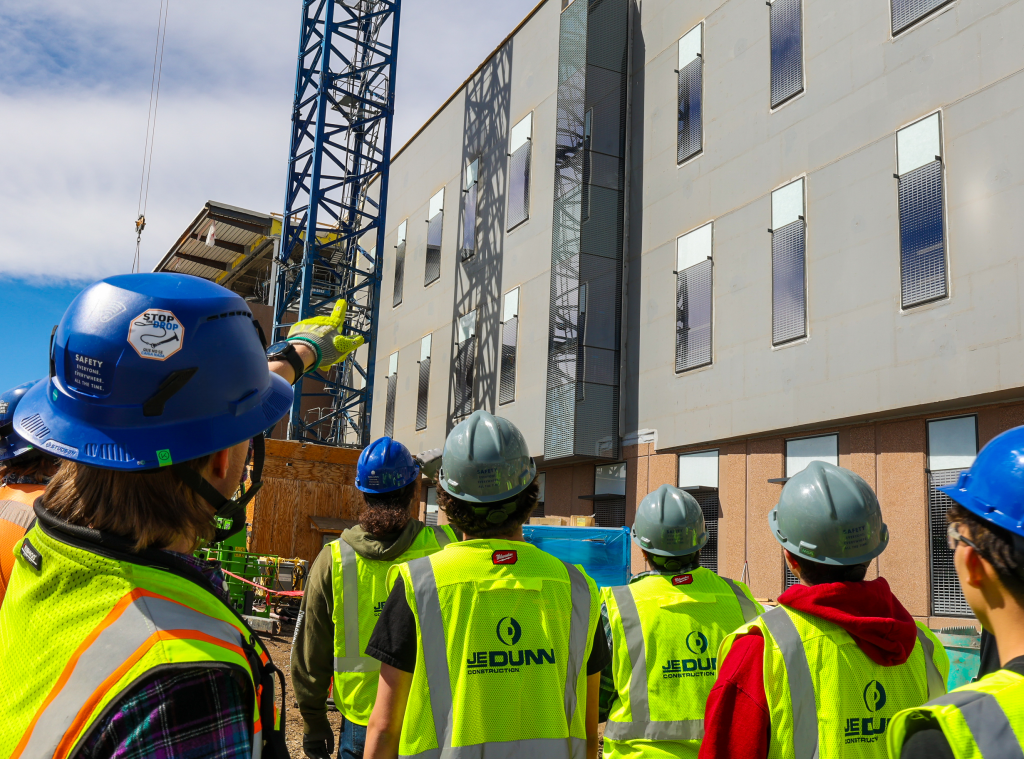
A: Now that high schools are successfully engaging students through CTE construction programs, industry leaders need to connect with CEF student pathway coordinators and high school instructors to facilitate classroom visits, coordinate jobsite tours, and ultimately hire students for summer work and full-time work after graduation.
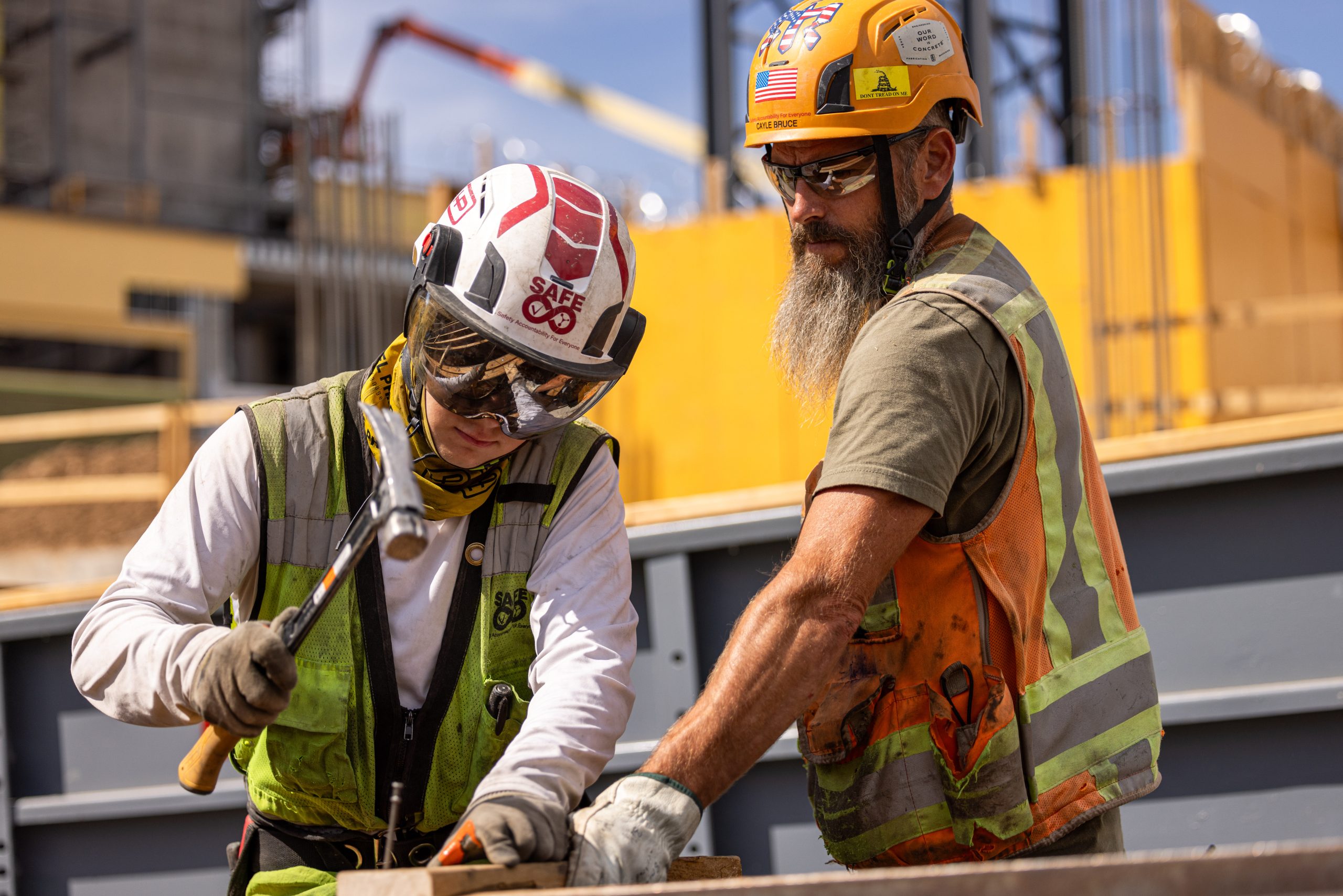
A common misconception about construction is that you must be at least 18 years old to work in the industry. However, there are ways to hire 16- and 17-year-old students for meaningful work that still comply with labor laws and insurance requirements. Providing young people with summer work opportunities and a sustainable wage demonstrates to them that construction is a viable career.
From the industry perspective, construction professionals should consider training and partnering with students as an investment for long-term growth. With that, employers must be open to a creative and empathetic approach for developing youth in construction while addressing and removing any barriers to employment.
Q: What message do you have for students considering a career in the construction industry?
A: There is truly something for everyone in the construction industry because the opportunities to learn, grow, and pivot are endless…that’s how I’ve been doing this for over 20 years! If not only for the number of pathways, it’s also because construction careers are deeply fulfilling. Pride comes inherent with work when you build something tangible—when you can drive down the road and say, “I built that.” With every project comes new people, often meeting new tradesmen on a weekly basis, along with new skills, and new experiences. Construction careers are dynamic, impactful, and will always be needed. There’s constant opportunity for growth, development, and advancement for those who work hard and are determined to succeed!