Inside Boulder’s First-of-Its-Kind Modular Construction Training Program
A conversation with Habitat for Humanity’s Daniel Sissom and CEF Instructor Darrin Rasmussen
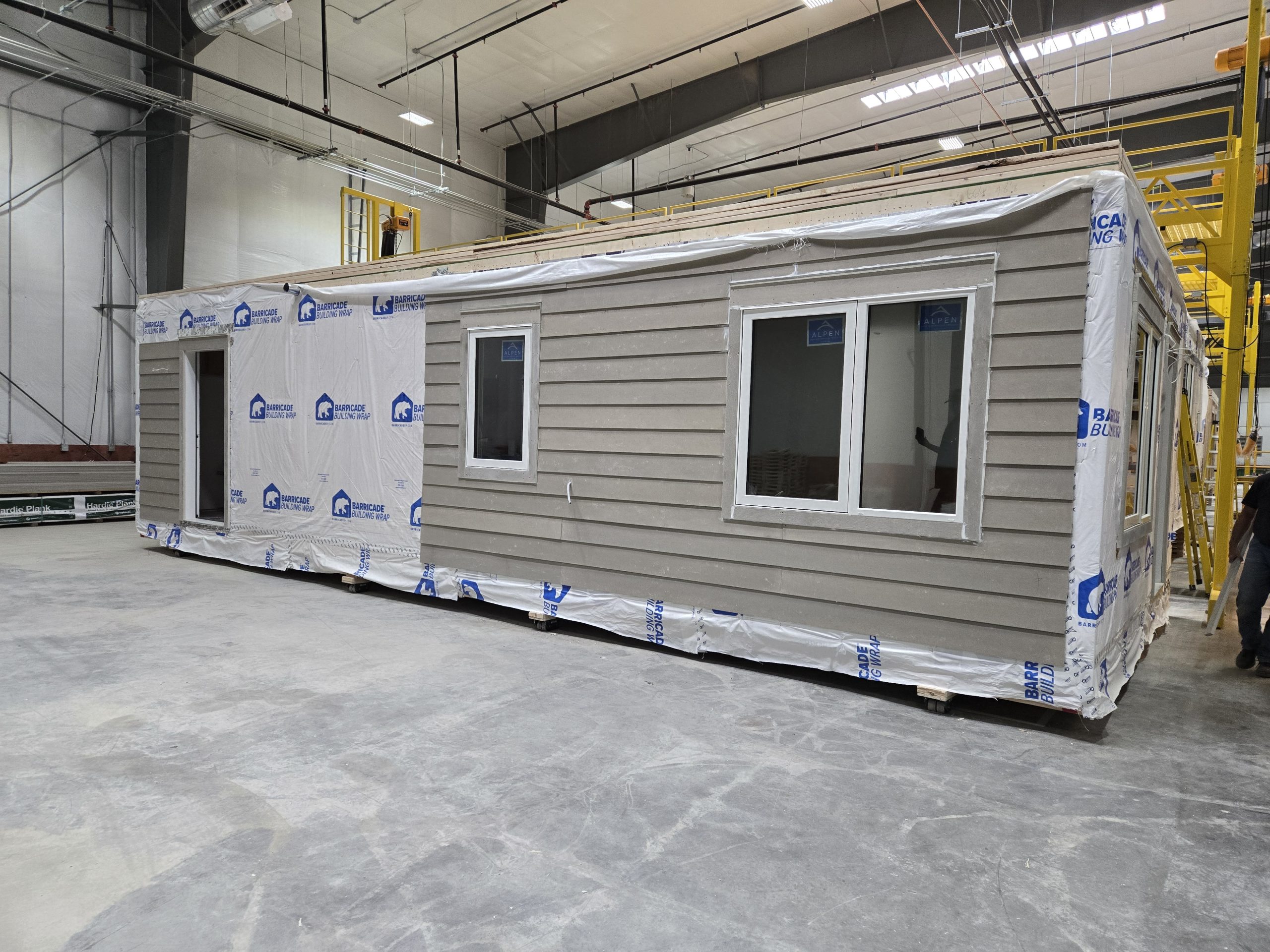
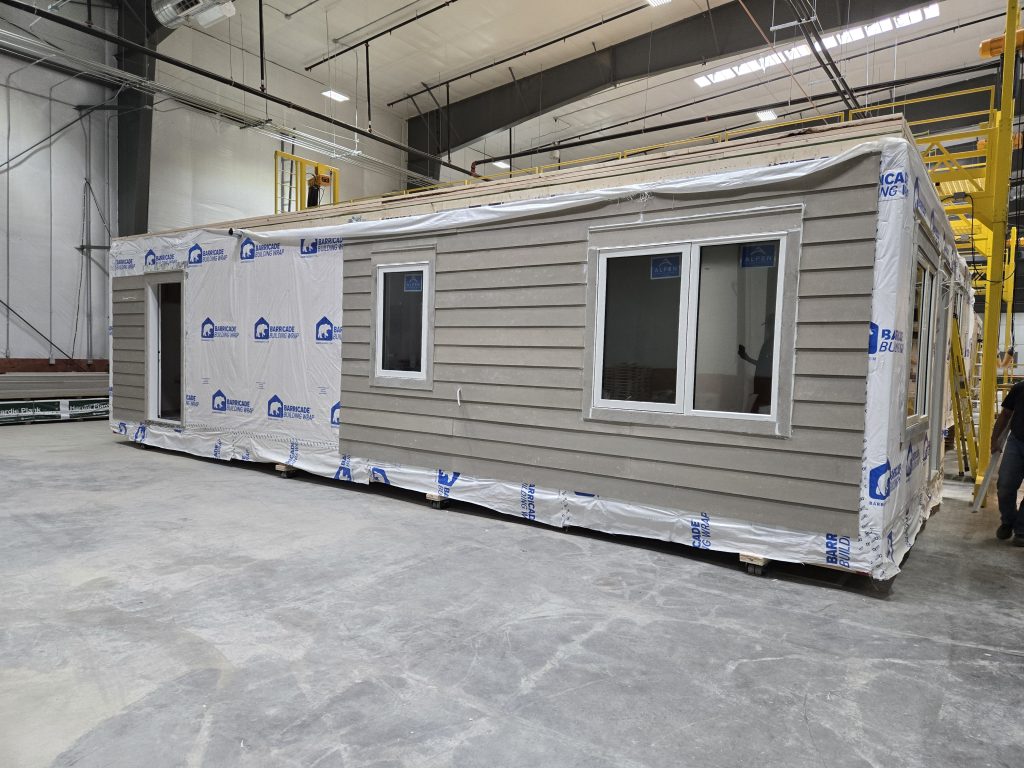
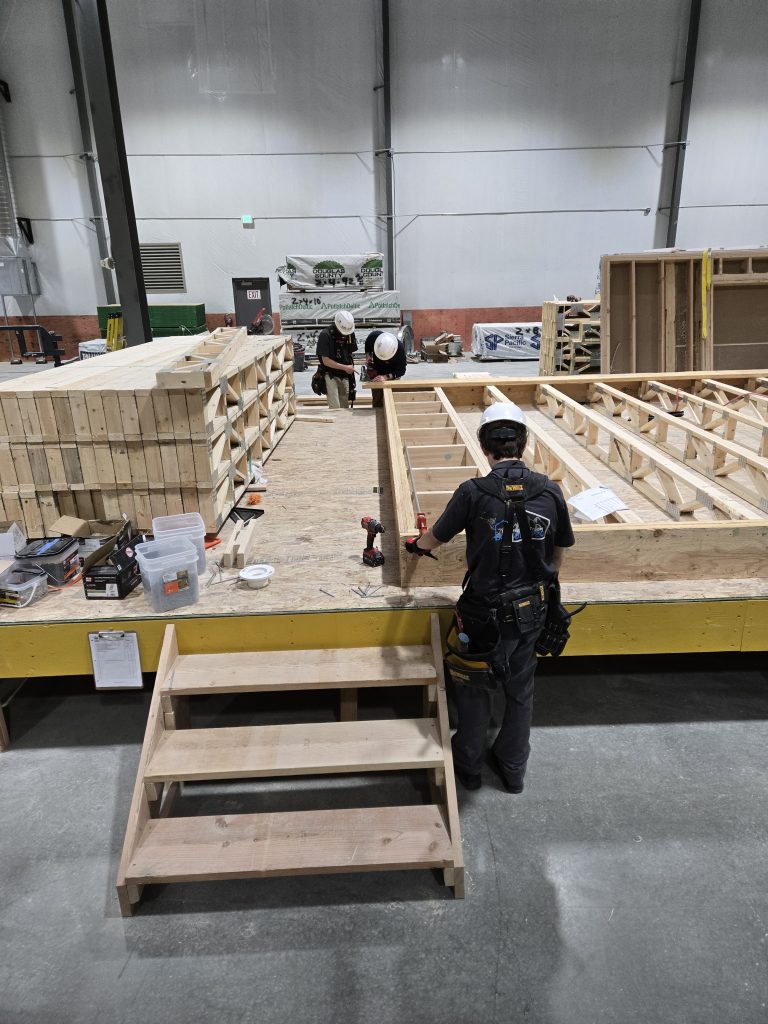
Boulder’s Ponderosa Community Stabilization Project represents a historic partnership between Flatirons (Boulder) Habitat for Humanity, the City of Boulder, and the Boulder Valley School District (BVSD). In an innovative approach to addressing the region’s housing shortage, the project includes the construction of modular homes at BoulderMOD – a high-performance modular factory located on BVSD’s APEX campus.
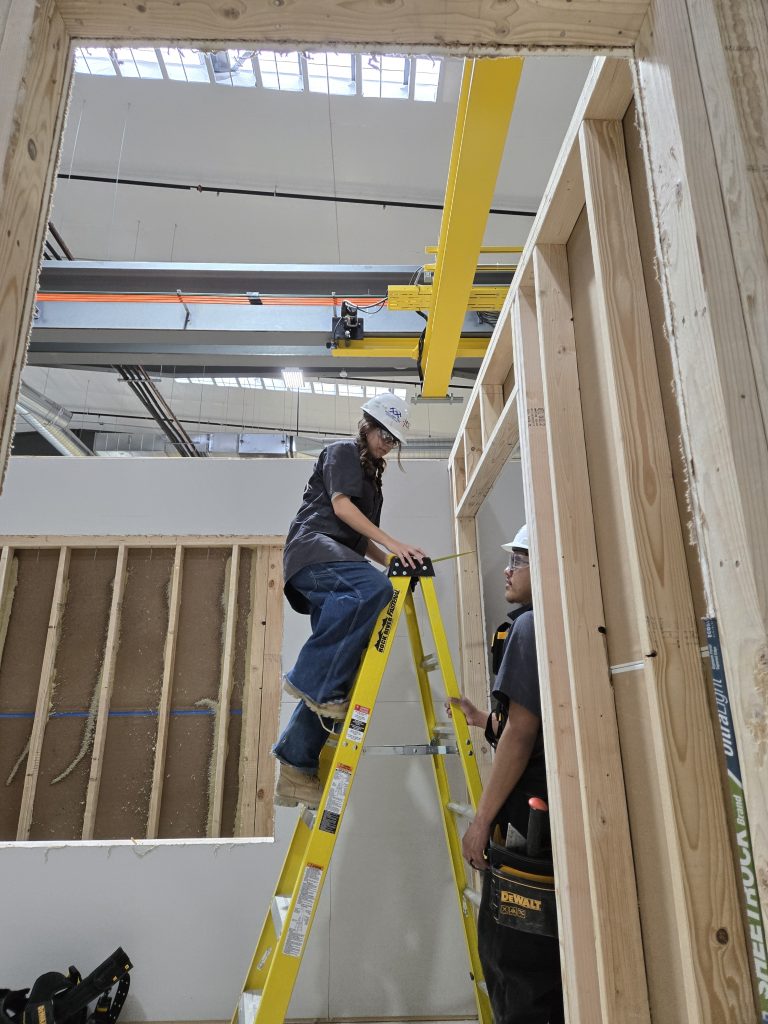
What makes this effort truly groundbreaking is the student workforce behind it. Through the APEX program, supported by CEF, high school students gain hands-on experience building real homes for local families – all while developing skills that can launch them into high-demand construction careers.
We spoke with Daniel Sissom, Factory Manager at Flatirons Habitat for Humanity, and Darrin Rasmussen, CEF instructor at BVSD’s APEX campus, to learn more about this unique program and the students who are powering it.
Q: What makes the BoulderMOD factory and the Ponderosa Project so unique?
A – Daniel (Habitat):
This training center is the first of its kind. It’s been seven years in the making. The City of Boulder saw the need for affordable housing, BVSD donated the land, and the City funded construction of the factory. Flatirons Habitat for Humanity now operates it. We’re building energy-efficient modular homes for the Ponderosa community, and at the same time, we’re training the next generation of builders.
A – Darrin (CEF):
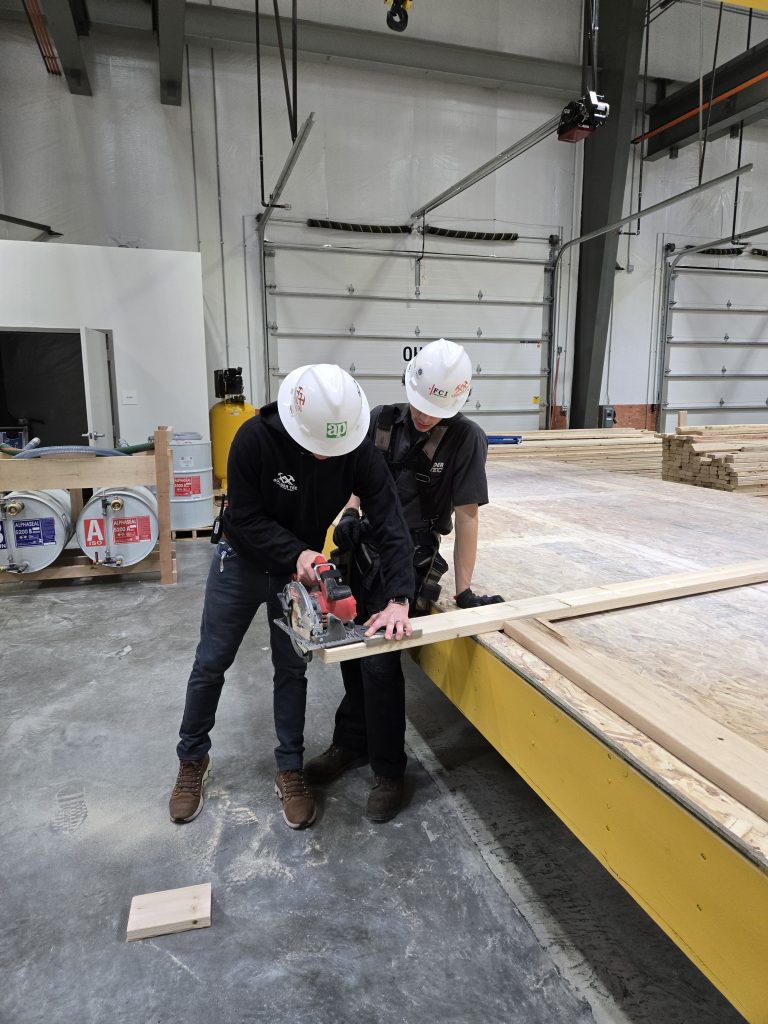
There is literally no other high school program like this in the United States. Students aren’t experimenting on mockups – they’re building homes that families will actually live in. It has completely changed what construction education looks like.
Q: How are students involved in the building process?
A – Daniel (Habitat):
CEF helps support two seperate, two-hour class blocks – juniors in the morning, seniors in the afternoon. Students earn OSHA-30 training, tool competency certificates, blueprint reading skills, and much more. They want the real-world experience, and you can see it in their attitude. They show up ready to work, and it’s impressive.
A – Darrin (CEF):
Students spend half their school day at the factory – four days a week. My classes include students from about five different BVSD schools. They learn everything from start to finish, and seniors help train the new juniors.
Q: What’s the experience like for students?
A – Daniel (Habitat):
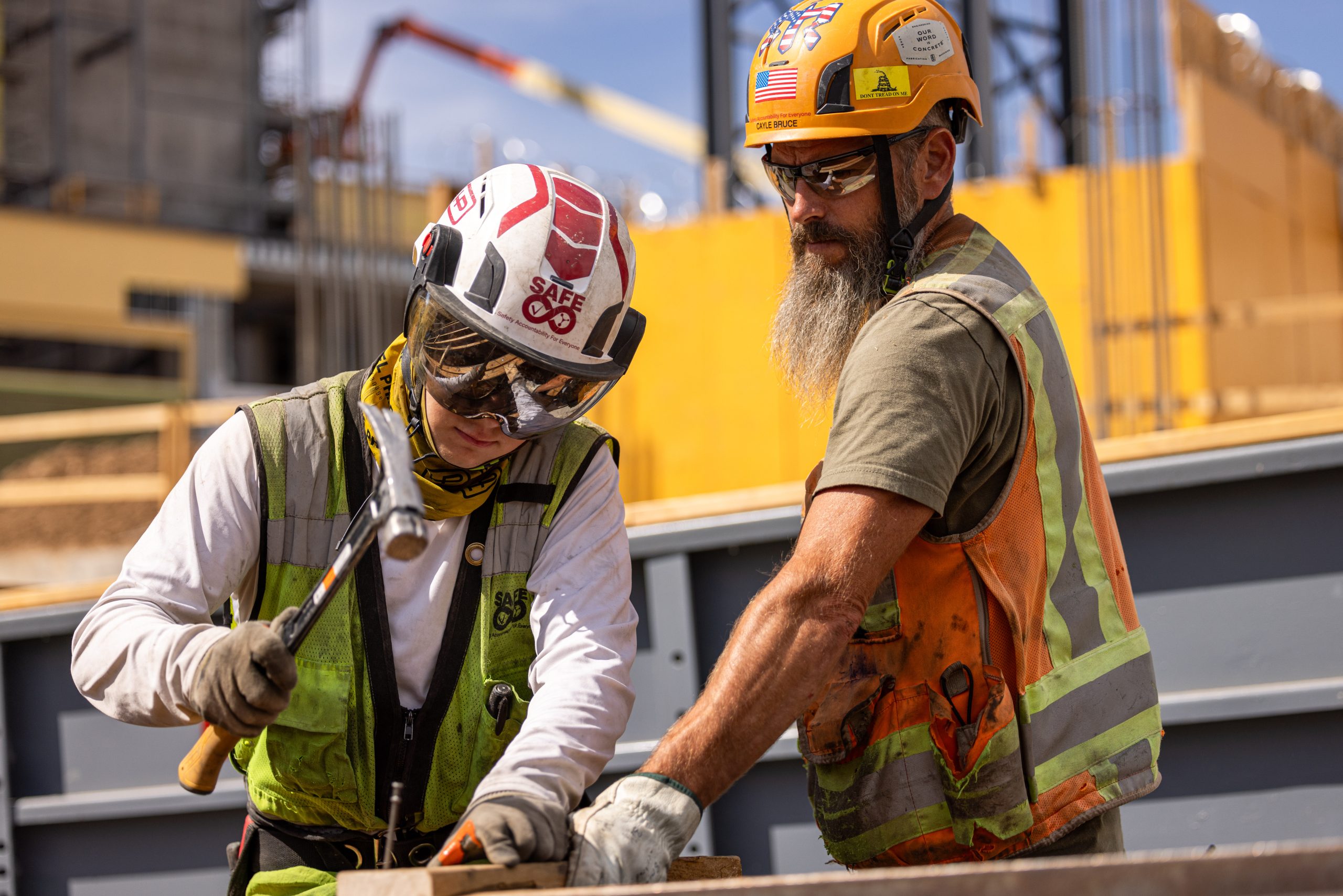
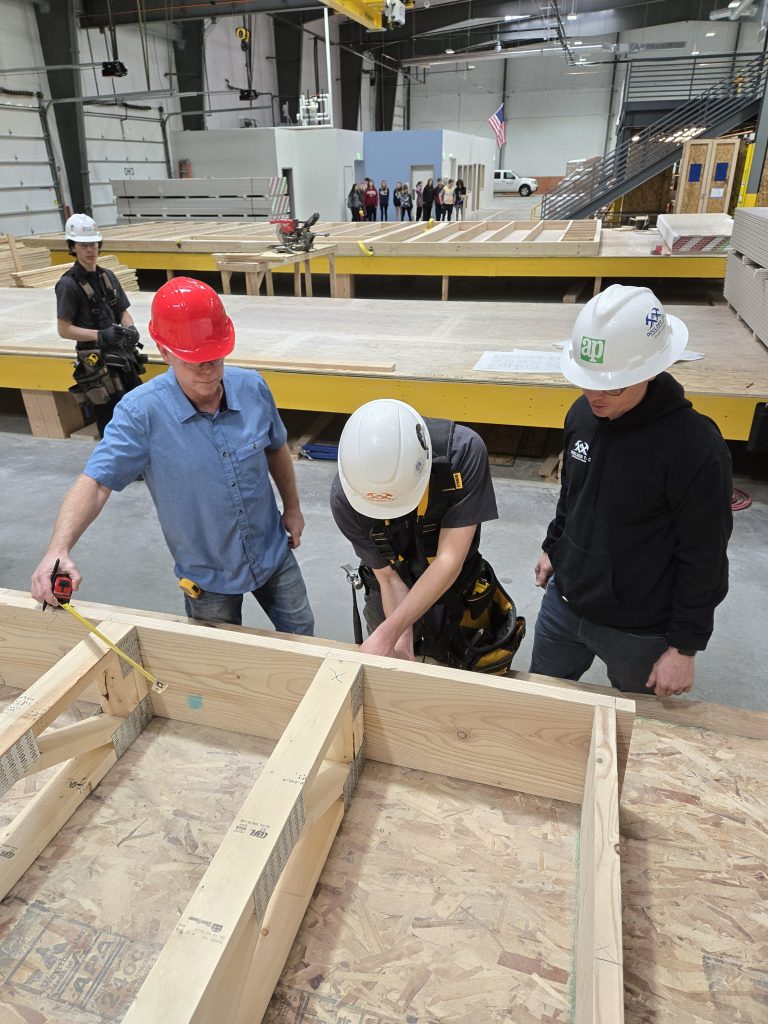
These students are amazing. They come in knowing this is real life and they’re building something that matters. They are very professional and very motivated. The students work alongside Habitat volunteers and licensed subcontractors in electrical, plumbing, HVAC, and fire safety. Watching them grow is incredible.
A – Darrin (CEF):
This is as professional as you can get at 16 or 17 years-old. Students take pride in their work. Some of last year’s seniors are planning to come back when the first home is set on site because they want to see their work become a real house for a real family.
Q: How has the program grown since it began?
A – Daniel (Habitat):
The students do a great job and work quickly. We currently have four homes on the line at once and may soon go up to five. Our goal is to complete two homes per month.
A – Darrin (CEF):
Student interest is increasing. From February to May of the first year, we had 12 juniors and 9 seniors. This year, numbers tripled.
Q: What role does CEF play within the project and the APEX program?
A – Darrin (CEF):
CEF’s partnership is essential. They help bridge classroom learning with industry expectations. They provide curriculum support, industry connections, and pathways to internships or apprenticeships. That support is crucial because our ultimate goal is to help students get hired.
A – Daniel (Habitat):
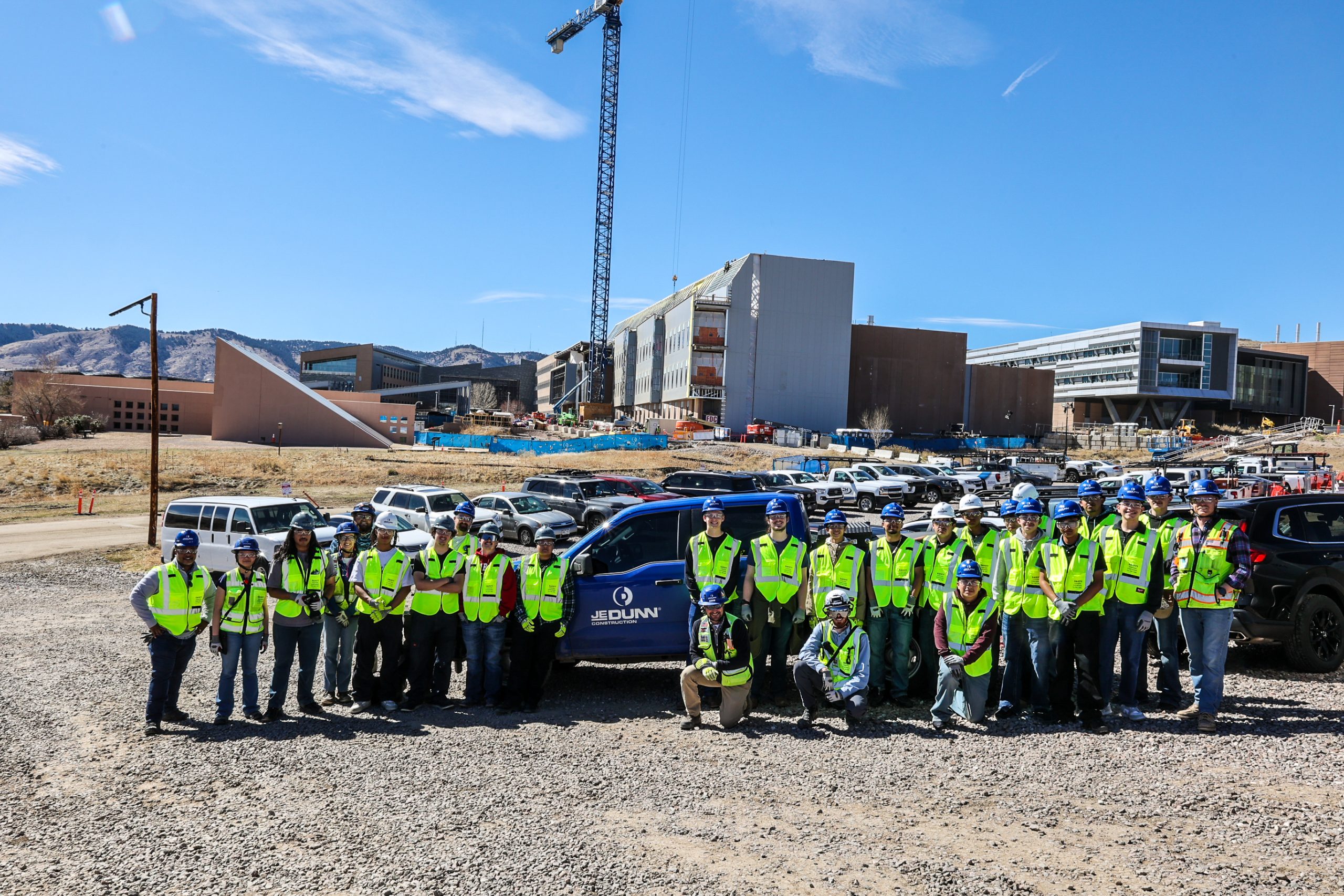
In addition to giving us the support we need on the ground, CEF also helps build the industry pipeline. We’re starting a recruiting program for seniors – helping to connect them with manufacturers and construction companies. Students can even shadow quality control or production managers to see the business side of construction.
Q: What has surprised you most about the experience?
A – Daniel (Habitat):
How quickly the students adapted to real-world expectations. And the fact that around quite a few of the students last year were female. We’re working to grow that number and increase interest all around. The student’s leadership has been outstanding.
A – Darrin (CEF):
The students’ capability and professionalism. They’ve taken ownership of the work in a way we didn’t expect. We recently had four students present at a Board of Education meeting, and they did a phenomenal job.
Q: What’s next for the BoulderMOD program?
A – Daniel (Habitat):
We’re excited to set the first unit at the Ponderosa Mobile Home Park site. We’re also continuing to strengthen partnerships with industry employers to build recruiting pathways for students.
A – Darrin (CEF):
We want more companies to come to the factory, see students in action, and engage with them directly. When employers see the work firsthand, the chance of students getting hired increases.