Dave Rosser, general superintendent at Hensel Phelps – one of the largest general contracting and construction management companies in the country – sat down to talk about Hensel Phelps’ relationship with the Construction Education Foundation (CEF) and the company’s commitment to training and supporting students for careers in construction.
Q: How did Hensel Phelps initially become involved with CEF?
A: Hensel Phelps has supported CEF and its curriculum since the beginning. One of our former executives was part of the group that created CEF, and I’ve served on the board since 2022.
Q: How has vocational education in Colorado changed during the past several years?
A: There’s been significant growth of Career and Technical Education (CTE) centers throughout Denver metro school districts. Vocational classes have become more organized in training students for construction careers. CEF and Careers in Construction (CIC) have developed a robust high school curriculum that is recognized by the Colorado Labor Board, allowing minors to work on construction sites.
Q: Why does Hensel Phelps train and recruit high school students?
A: Feedback from Hensel Phelps’ general foremen encouraged us to focus on recruiting high school students. Many of our general foremen grew their careers from the ground up at Hensel Phelps. They understand the value of hiring young individuals to follow that same path.
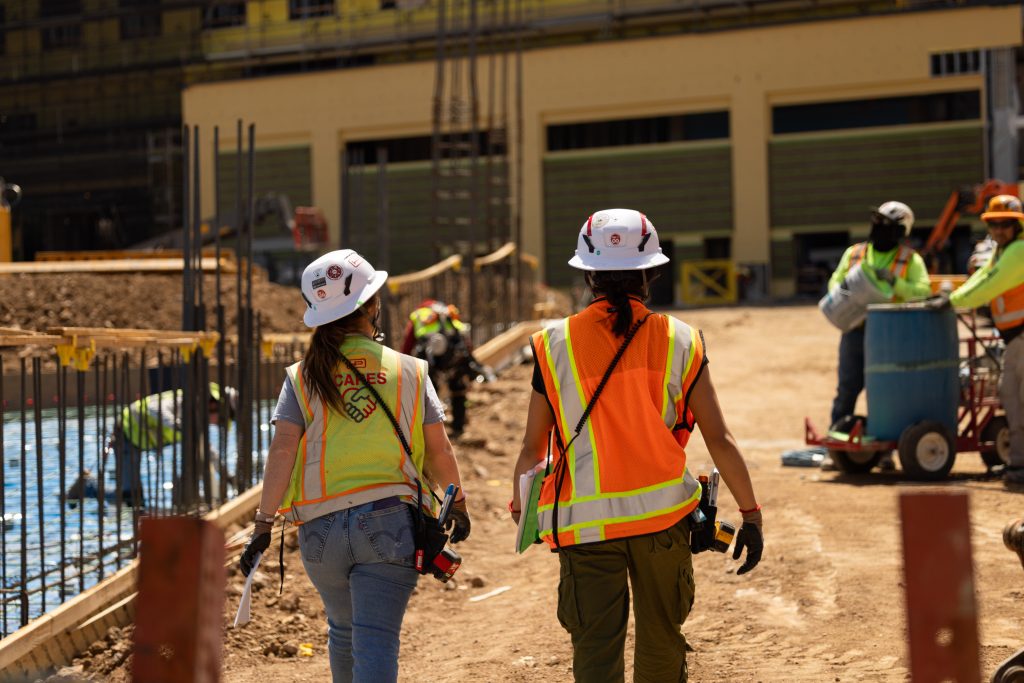
Q: What is the pathway for a high school student into a full-time construction career upon graduation?
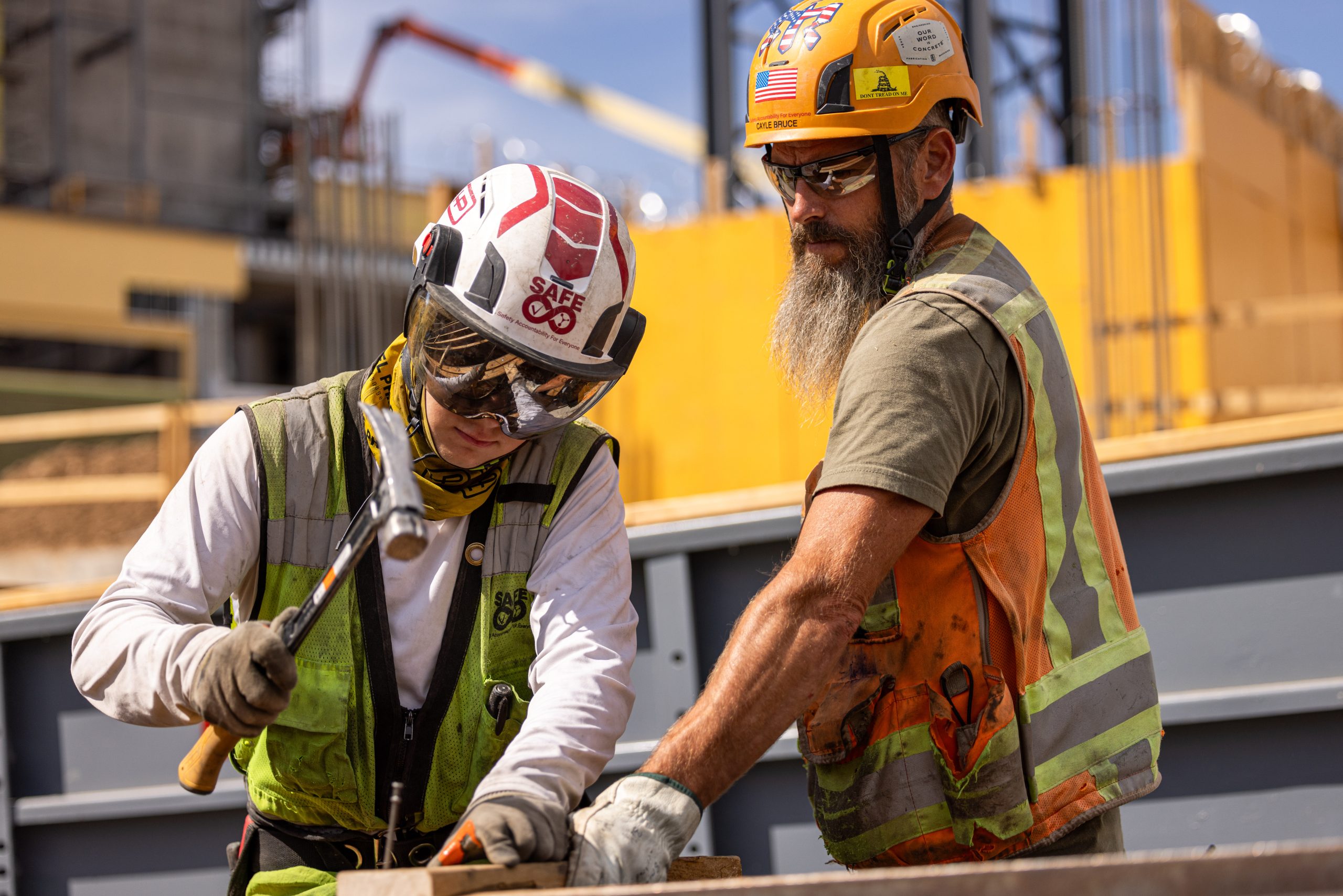
A: There are two common paths for graduating high school students who have completed a vocational program to get hired by Hensel Phelps. Oftentimes, we hire students for summer craft internships between their junior and senior years of high school. Students may stay on with us part-time during their senior year and then move to full-time after graduation. We also hire students upon graduation who have completed a vocational program but have not interned with us. Both types of student-hires come on as full-time employees post-graduation and are enrolled in our apprenticeship school which is paid for by Hensel Phelps. Students who’ve completed the CEF curriculum in high school can essentially skip the first semester of the carpentry apprenticeship program.
Q: How can other industry leaders help expose students to careers in construction?
A: The importance of industry involvement in the classroom can’t be understated. Industry leaders need to partner with organizations like CEF to expose students to the wide variety of skilled trades available so students can identify and pursue their specific interests.
Q: What message do you have for students considering a career in the construction industry?
A: Many young people want a career that’s hands-on. They want to build things. They want to be the ones out in the world making things happen. But students, or their parents, have a preconceived notion that construction is a job, but not a career. And that’s wrong. Construction, particularly a craft-role or skilled trade within the industry, can be a very good lifelong, valued and honorable career that allows a person to provide well for themselves and their family and fulfill the American dream.
Our country needs this profession and our profession needs these young people. I encourage these young people to go out and live their dream because now there’s a pathway to do it, in large part because of the efforts of CEF and CIC.